
死亡飞车
时评 | 把产业优势转化为县域消费优势_我的网站

一 | AI摘要 商务部等9部门发文激发县域消费。福建将结合产业优势,推动“以产促消”,因地制宜引导沿海提质、山区特色发展,促进文旅商融合,把流量变留量,释放县域消费潜力,助推高质量发展。 《福建日报》2026年8月23日第01版 东南网8月23日讯(福建日报记者 马丹凤)县域一头连着城市,一头连着乡村,是畅通城乡经济循环的重要节点,也是释放消费潜力的重要空间。近日,商务部等9部门联合印发《关于进一步激发下沉市场活力 活跃县域消费的意见》,提出6方面18条举措,为释放县域消费潜力明确了路径。
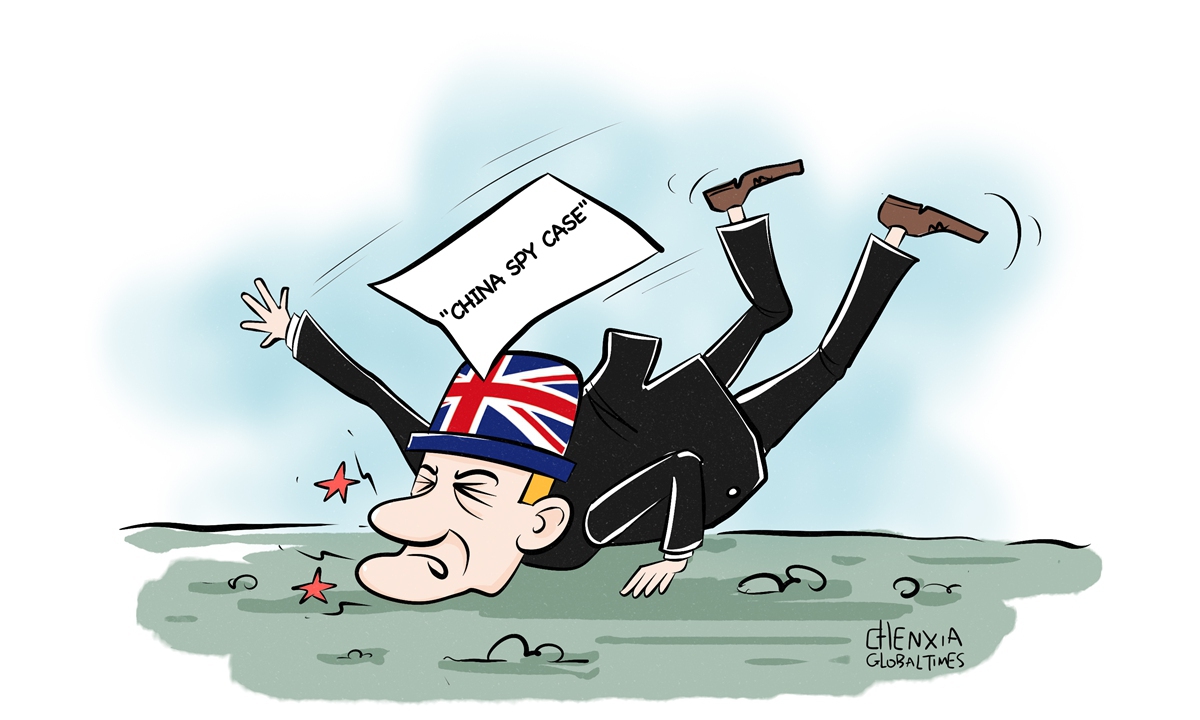
Recent reports from the Telegraph - that a Chinese wind turbine maker previously barred from the UK under national security pretext is seeking to overturn the decision, and that components in Royal Navy drones allegedly transmitted data to China - represent another episode in which some British media and some politicians have amplified the "China threat" narrative. Chinese experts said some British institutions are projecting their own practices onto China and making unsubstantiated claims about the security risks of Chinese equipment, while political pressures, defense priorities and efforts to preserve Britain's strategic relevance are also shaping the debate. They warn that sustained negative rhetoric could gradually erode mutual trust and complicate UK-China relations.
In March, the Labour banned the Chinese wind turbine maker Ming Yang over so-called "national security concerns," thwarting the company's plans to build a factory in the Scottish Highlands. The company is now attempting to persuade the British government to review that position after Andy Burnham's arrival in No 10 and the appointment of Miatta Fahnbulleh as the new Energy Secretary, according to the Telegraph.
The Telegraph report also cited Aman Wang, Ming Yang's UK head, as saying that "the company's proposed factory could create 1,500 direct jobs, with up to 8,000 more in the supply chain." He added: "We are committed to supporting the growth in every postcode that this government wants to see, to re-industrialisation and to lowering energy bills."
The report claimed the wording appeared to be a direct appeal to Prime Minister Andy Burnham, who pledged to deliver "growth in every postcode" in his first major policy speech after taking office. The report also claimed that the company's potential entry into the UK market triggered "alarm bells", with officials from the Ministry of Defense reportedly fretting that it "would create opportunities for spying."
When asked to comment on UK's moves to block plans by Ming Yang Smart Energy to build a wind turbine factory in Scotland on national security grounds, Chinese Foreign Ministry spokesperson Lin Jian said during a press conference on March 26 that China-UK economic, trade and green cooperation is in nature mutually beneficial. Such cooperation should not be viewed as political and security issues.
"It is hoped that the UK will provide a fair, just and non-discriminatory business and investment environment for companies of all countries, including Chinese companies," the spokesperson added.
Ming Yang had not responded to a request for comment from the Global Times as of press time on Monday.
Founded in 1993 and headquartered in Zhongshan, China, Ming Yang Smart Energy is a leading global wind turbine manufacturer and clean energy provider, according to the company's website. The Telegraph previously reported that the company had unveiled plans to build a factory in Scotland to manufacture wind turbine blades for the UK and European markets.
Ming Yang's push for eased restrictions under the new government is a legitimate commercial move. However, certain Conservative-leaning media outlets have used the case to amplify the "China threat" narrative. The case also highlights concerns that the UK has increasingly resorted to so-called national security reviews to restrict Chinese companies and supply chains, Li Guanjie, a research fellow with the Shanghai Academy of Global Governance and Area Studies under the Shanghai International Studies University, told the Global Times.
Prolonged reviews, limited disclosure and the absence of formal rulings can leave firms in regulatory limbo, increasing costs and effectively pushing them out of the market without an explicit ban, said Li.
Also on Sunday, another report from the Telegraph claimed that the cameras on the K3 Scout surveillance drones of the Royal Navy had components made in China which "were secretly transmitting information to a device in the country." The Royal Marines have been using the £12m fleet since March and the Ministry of Defence (MoD) was forced to remove all internet connectivity from the cameras after discovering the breach.
British media coverage of Chinese-made camera components carries distinct Cold War overtones, said Zhang Junshe, a Chinese military affairs expert. He noted that US and UK intelligence agencies have faced allegations of exploiting technical vulnerabilities for intelligence-gathering purposes.
Against this backdrop, Zhang said some Western governments and media are projecting their own historical practices onto China, presuming without evidence that Chinese companies or equipment pose similar risks and repeatedly portraying Chinese technology as a security threat.
Li said some British politicians and government departments may play up national security concerns to bolster the case for higher defense spending, with narrative of China-related threats offering an especially effective way to attract public attention and justify larger budgets.
He added that Burnham is likely to retain the former Starmer administration's framework of "cooperate, compete and challenge" until the next general election amid Britain's constrained national capacity, narrower global ambitions and growing diplomatic focus on Europe. However, continued hyping of China-related security risks may further fuel negative perceptions of China among the British public and business community.
。对福建而言,激活县域消费,是顺应消费升级趋势的主动选择,也是推动县域经济高质量发展的重要抓手。 细读《意见》,有几个信号值得把握。 县域消费正在从“买得到”迈向“买得好”“体验优”。随着互联网、物流体系不断完善,城乡消费边界逐步缩小,县域居民对品牌、品质、服务和消费体验提出了更高要求。《意见》提出推动县域商业业态创新和品牌打造、优化商品和服务供给,明确要求“同品同款商品城乡‘同质同享’”,正是回应消费升级趋势,纠正把下沉市场简单等同于低价市场的惯性思维。

二 | 激活县域消费,因地制宜、分类施策是关键。我国县域数量多、差异大,不同地方在人口规模、产业基础、资源禀赋等方面各有特点。商务部有关负责人明确,人口密集、经济实力强的县域重在“提质”和“引领”,基础较好的县域重在“固本挖潜”和“特色赋能”,人口较少、经济体量较小的县域重在“兜底”和“保障”。 县域消费的活跃,离不开发展基础的支撑。消费不是孤立的一环,产业兴起来、就业稳下来、居民收入增加,消费扩容才有坚实基础。

三 | 《意见》提出增强消费保障能力、强化要素集成和营商环境建设,正是着眼于推动“增收—就业—产业—消费”形成良性循环,而非追求短期刺激。 激活县域消费,福建有底气。2025年福建全省千亿元县(市、区)总数攀升至19个,两成以上县(市、区)实现经济总量突破千亿元大关,晋江、福清等11个县(市、区)入选2025赛迪全国县域经济百强。但也要清醒地看到,福建山海之间差异明显,沿海强县与山区县在人口规模、商业配套、供给质量上落差犹存,激活县域消费不能用一把尺子量到底。

四 | 晋江2026年元旦春节促销费活动。图源:晋江经济报 以产促消,把产业链优势转化为消费底气。用好“四链”融合机制,进一步做强县域重点产业链,让产业工人和返乡创业人员在家门口稳定就业、安心消费。同时,让特色产业从生产端走向消费端。

五 | 晋江鞋服、德化陶瓷、安溪茶产业等,不仅是产业名片,也可以成为消费场景。推动特色产业与商业、文旅、电商融合,让产品变商品、商品变体验、体验变消费,让地方品牌真正走进居民生活。 因地制宜、各展所长。福建山海相依,各地资源禀赋不同,激活消费的路径也应各具特色。沿海强县可以围绕产业优势提升消费品质,引入优质品牌、打造特色商业街区,让县域居民共享更多高品质消费选择;山区县域则可立足生态、文化资源,补齐流通短板,发展乡村旅游、休闲康养、特色农业消费,打造“小而美”的消费目的地。 把“流量”变成“留量”。武夷山、福建土楼、茶文化、陶瓷文化等资源,不能只停留在观光层面,而要延伸到餐饮、住宿、购物、体验等环节,让“奔县”的流量真正转化为消费增量。同时,也要呵护县城烟火气,发挥老字号、小店、乡镇集市作用,让大品牌下沉与本地特色共生。 县域消费的活力,最终来自县域发展的活力。把《意见》的政策红利与福建产业优势、资源优势结合起来,八闽县域定能在扩内需、促共富的大局中走在前列,让城乡群众共享更有品质、更有尊严的消费体验。

六 |
Current article:http://gorr.shuacanrandenmizhuohaoeiliang.buzz/news/20260826_11175.html
Published on:04:15:20